Technical Planning
Technical planning ensures that every scaffolding, weather protection and temporary structure solution is safe, correctly dimensioned for the site – and most importantly – meets the client’s needs. Professionally executed technical planning is also a prerequisite for smooth installation work and for avoiding modifications during the construction phase.
Technical planning is the backbone of scaffolding and weather protection projects. It brings together the client’s needs, site conditions, required equipment, and the laws and regulatory requirements governing our industry into one functional and safe solution.
At the same time, it provides contractors and project owners with a clear understanding of how the project will progress in practice even before the site phase begins: objectives have been defined and key challenges have already been identified and resolved.
Technical planning that listens to the client and is based on verified information makes the project smooth, cost-efficient and easy to manage.
Over 60 years of experience in scaffolding and weather protection – a unified planning process
Telinekataja’s technical planning is based on strong structural calculation expertise and decades of experience from a wide range of conditions, implementations and projects. Although these years have provided us with strong insight into the requirements for success, we never rely on general assumptions in our planning work. Every project follows the same planning process, which broadly proceeds as follows:
Our planning process for scaffoldings and weather protections:
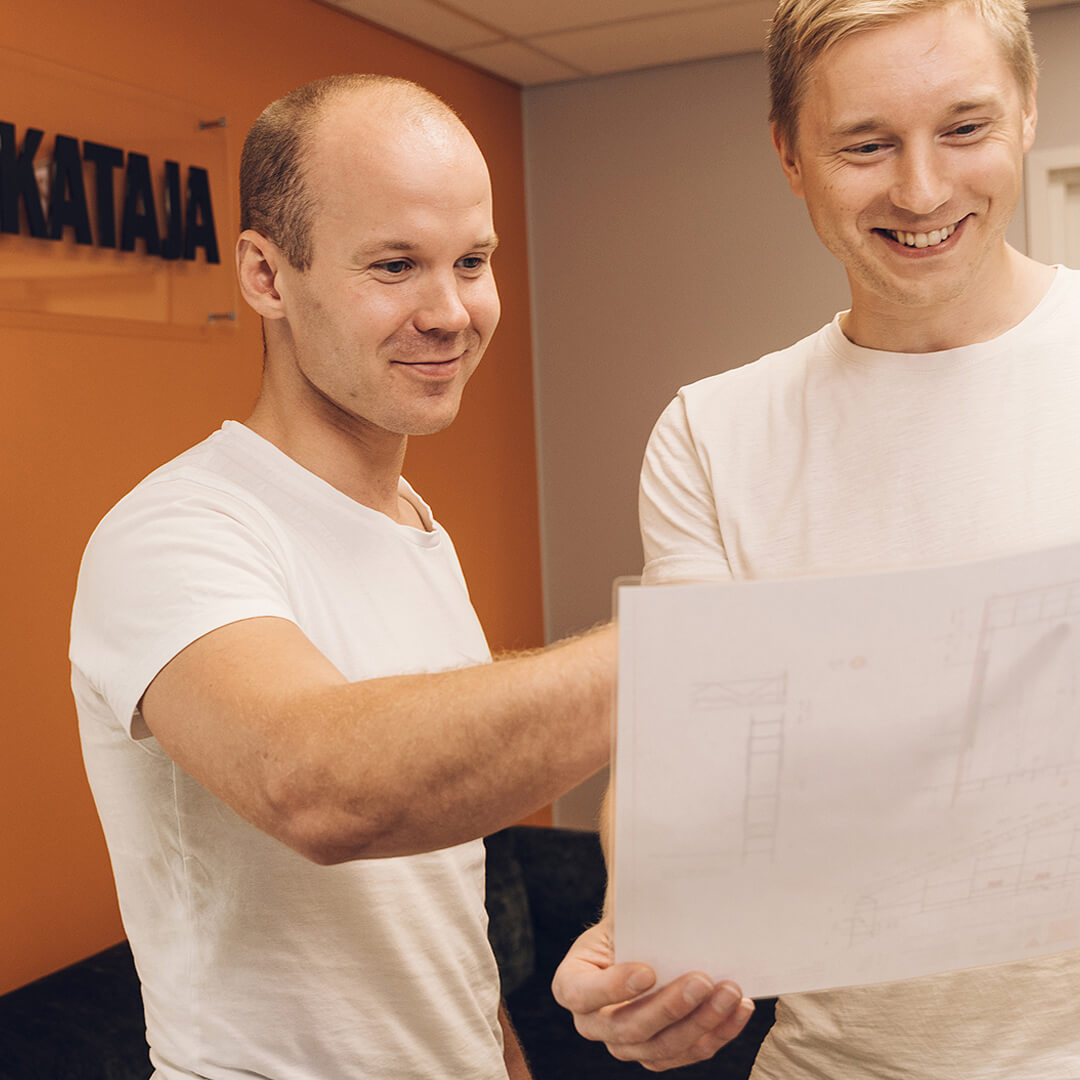
Careful planning is a critically important factor for safety. Our goal is simple: everyone returns home healthy at the end of every working day.
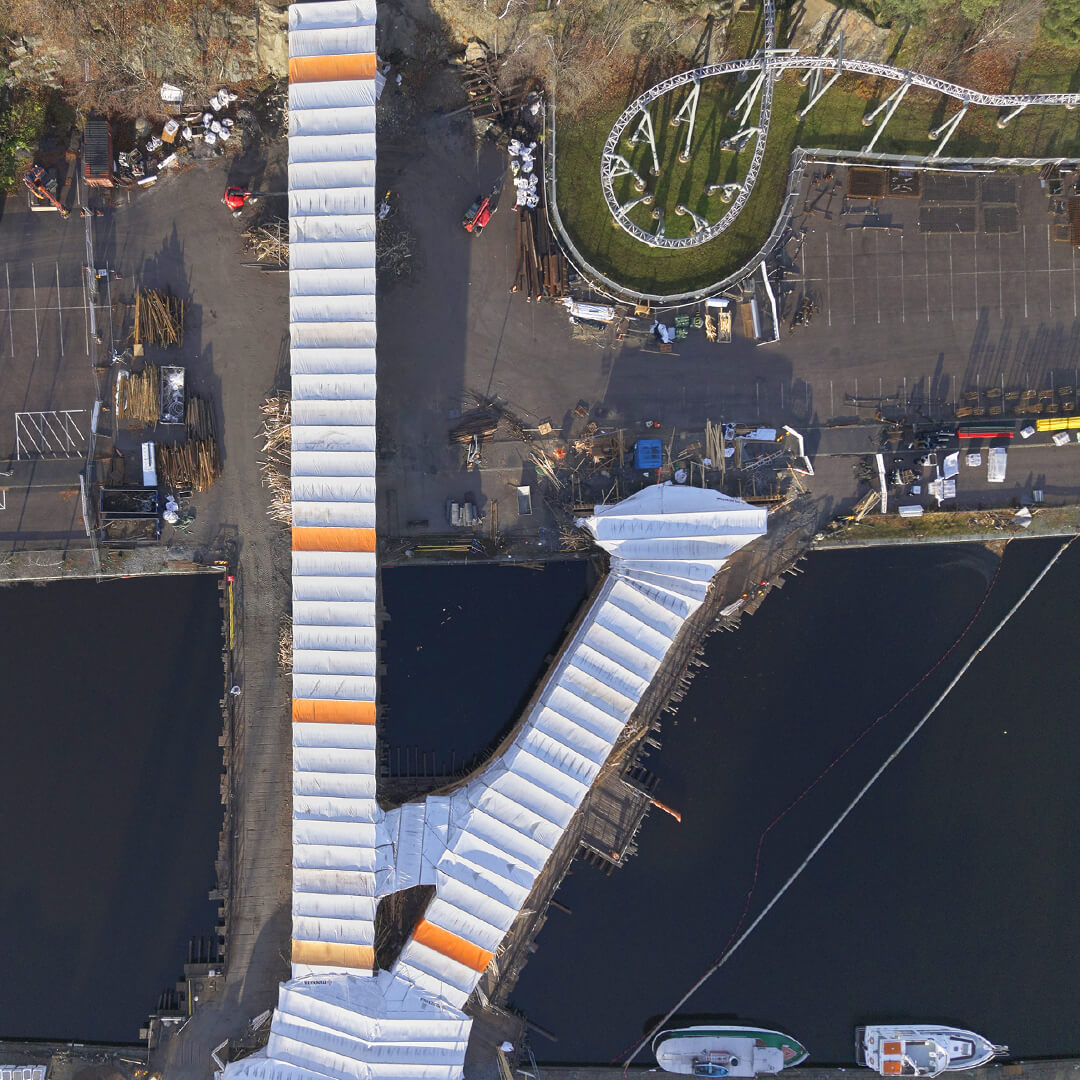
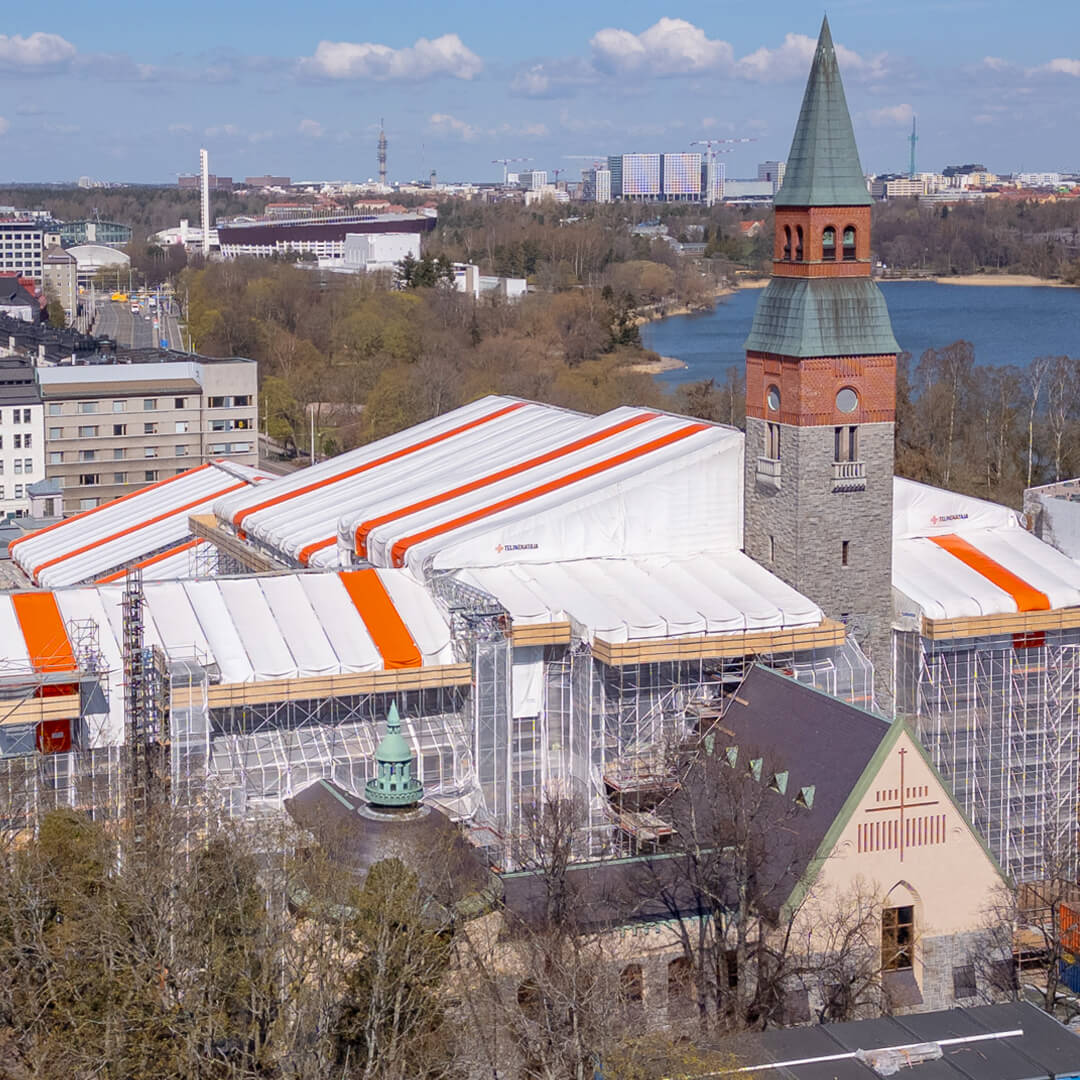
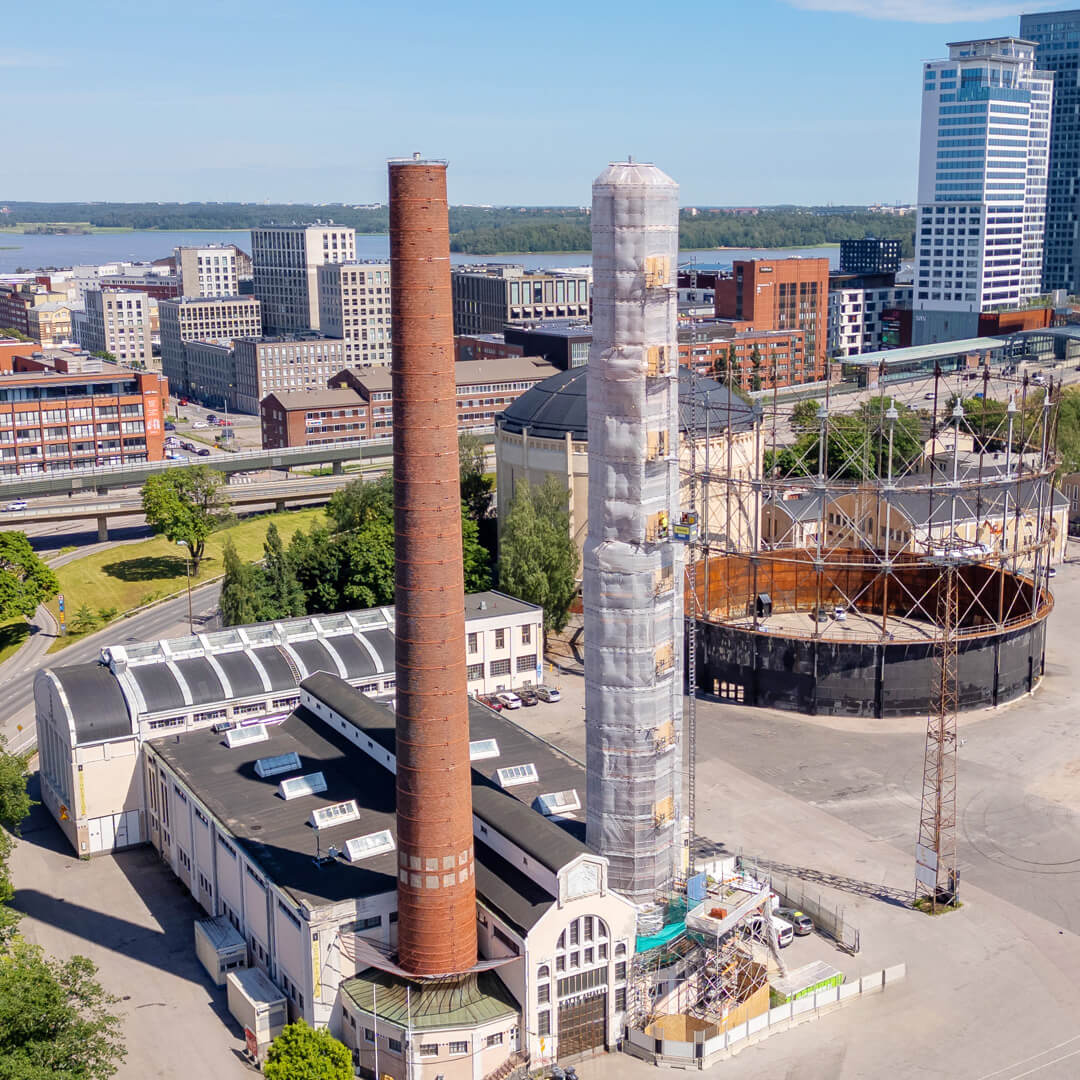
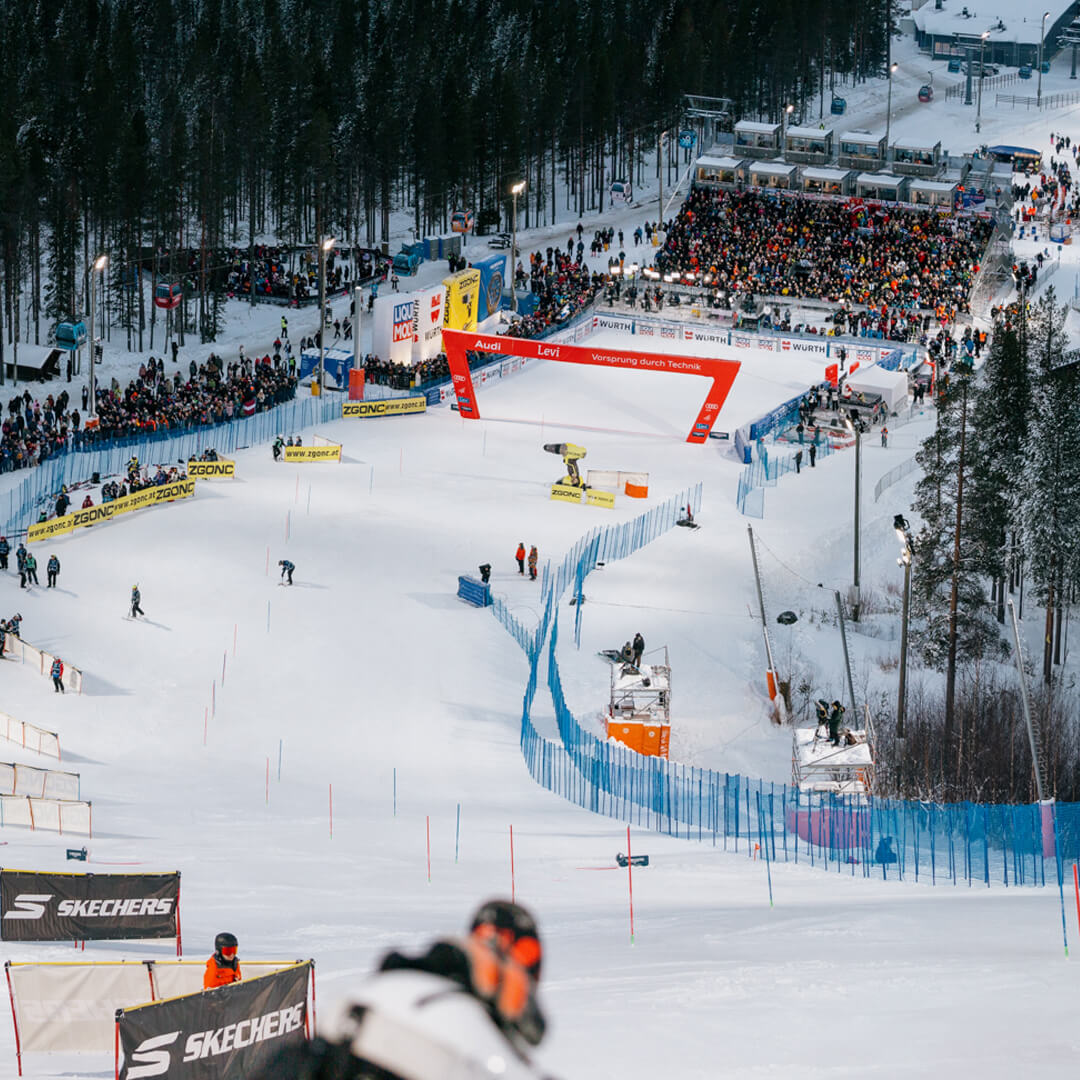
Project-specific planning for construction, infrastructure, industry and events
Telinekataja’s planning department serves a wide variety of needs, industries and sites. Through thorough design, each solution can be tailored precisely to the requirements of new construction, renovation and infrastructure projects as well as industrial installations, shutdowns and other maintenance projects.
Our planning team also supports the temporary structure needs of our subsidiary Kataja Event, which operates in the event sector.
In all our planning work, the following elements are combined:
- comprehensive consideration of safety
- precise structural calculations and dimensioning
- in-depth knowledge of industry standards and regulations
- practical experience with different equipment, sites and conditions
- understanding of the client’s needs
- partnership aimed at continuous development together

What is considered in technical planning?
Technical planning is a comprehensive process that considers the client’s needs, the technical constraints of the site, applicable laws and regulations, and the entire project environment.
When designing scaffolding and weather protection systems, the following aspects are reviewed:
- safety implementation
- structural loads
- intended use and usability of scaffolding
- efficiency of installation, dismantling and logistics
- specific client requirements
- weather conditions and other environmental factors
- operational continuity during the project (industrial sites)
- regulatory requirements and industry standards
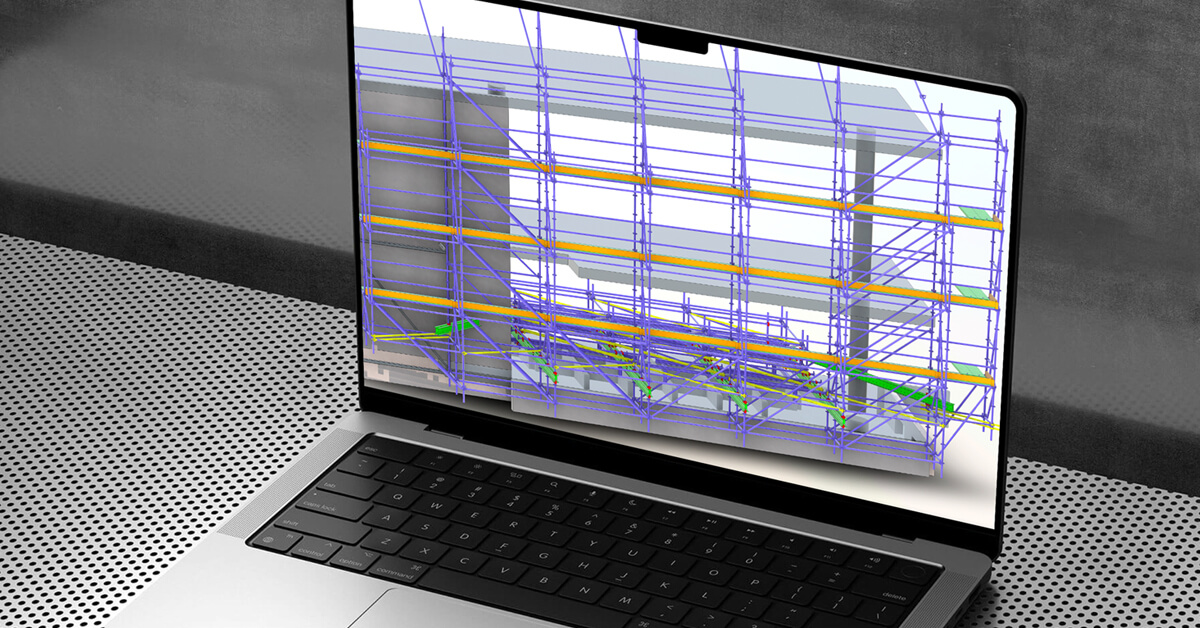
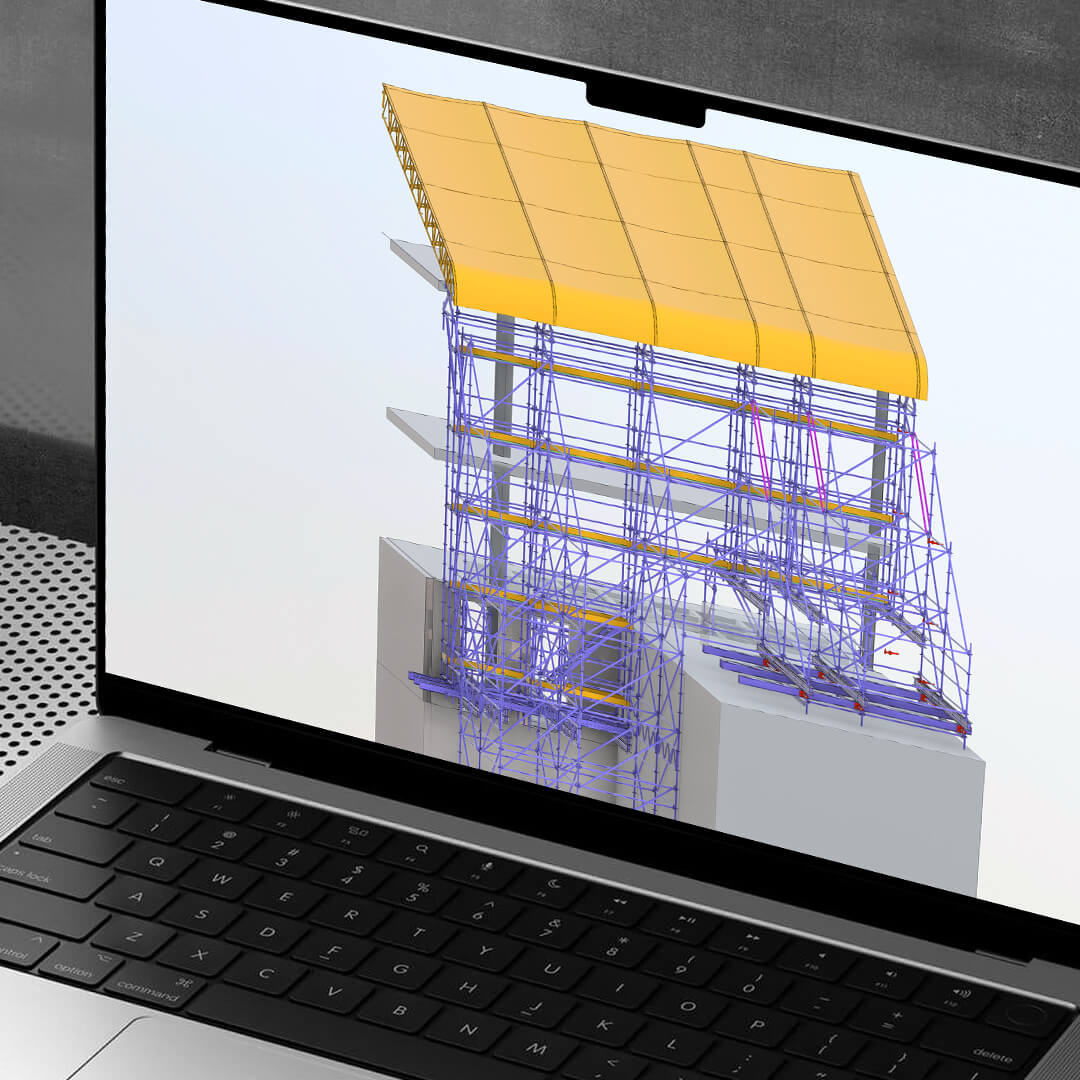
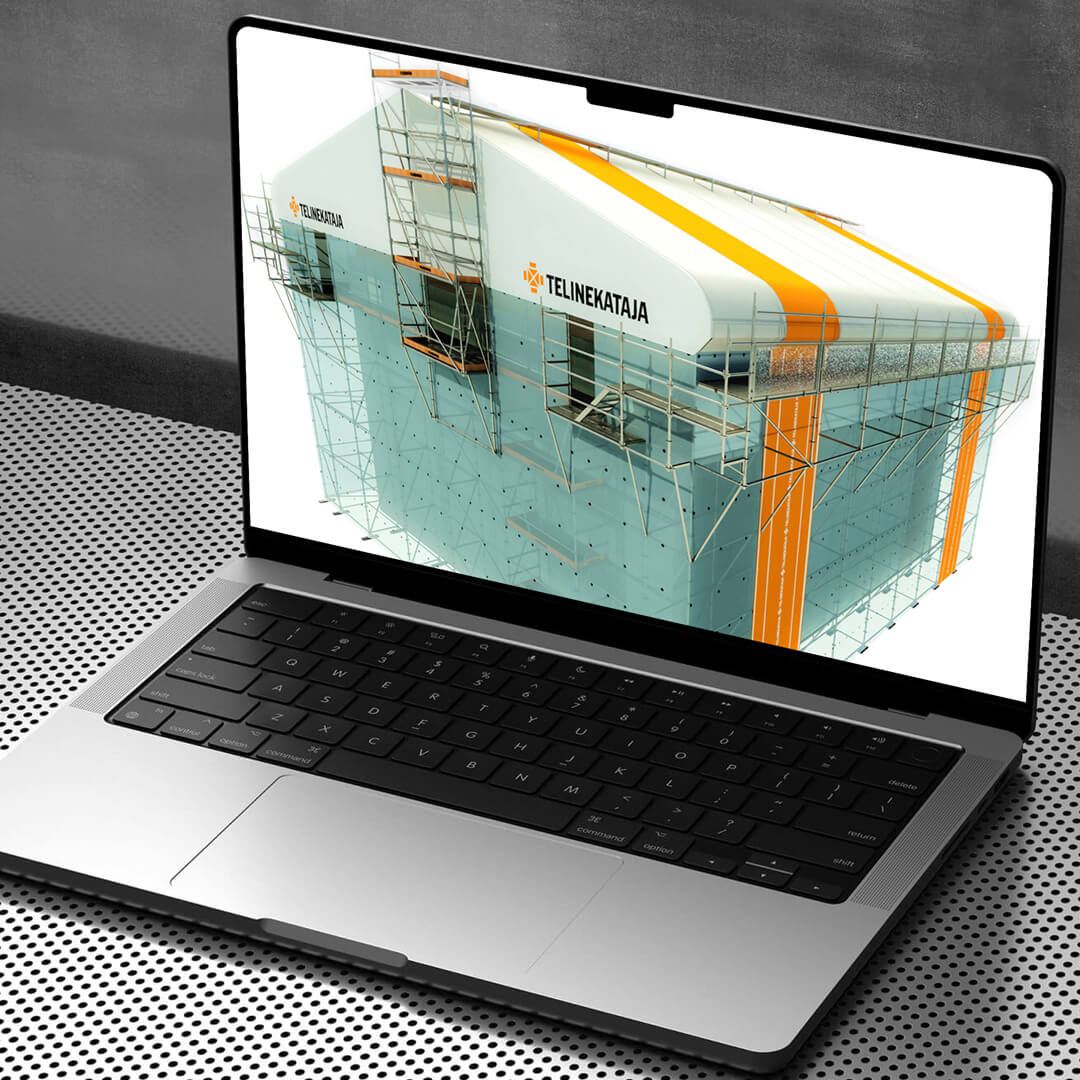
3D modelling makes the planning easy to understand
3D planning using Autodesk Revit is a key tool in modern technical planning, and it is used by Telinekataja in all projects. Three-dimensional modelling shows how the scaffolding structure or weather protection system fits into its surroundings – whether on a construction site, in an industrial facility or within an infrastructure project.
With modelling, site-specific dimensions, the extent of scaffolding and weather protection systems, and equipment specifications can be illustrated very concretely. This makes the planning easy for all project stakeholders to understand already before the site phase begins. The 3D model also helps identify and solve potential challenges in advance.
Good initial data provides an efficient start to the planning process
At Telinekataja, technical planning always begins with collecting initial data, usually carried out by our site manager together with the client. When the requirements, objectives and conditions of the site are clearly understood from the beginning, the planning work has a strong foundation. As the planning progresses, shared understanding can be further refined through site visits and meetings.
Typical questions used to collect initial data include:
- Where is the site located?
- What are the dimensions of the structure?
- What type of structure will be protected by the weather protection system?
- What is the purpose of the scaffolding – what work will be carried out from it?
- What are the possibilities for anchoring?
- Are access tunnels or other special solutions required?